LED Strip Safety & Lifespan: Can You Leave Them On 24/7?
With their advantages of energy efficiency, high performance, and durability, LED strips have become the ideal lighting solution for both residential and commercial spaces. From ambient mood lighting to functional task lighting, their applications are becoming increasingly diverse.
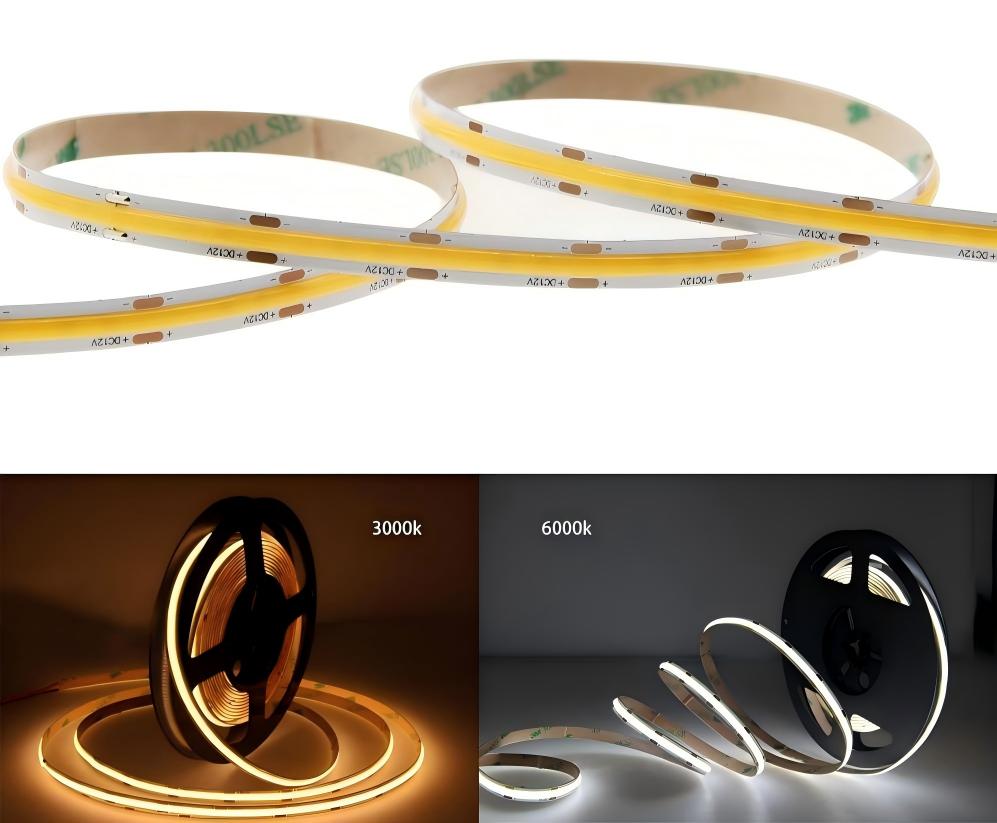
However, during the procurement and application process, many users remain concerned about the long-term performance of these strips—specifically regarding lifespan, brightness decay (lumen depreciation), and the safety of prolonged operation.
In this article, we will address some of the most frequently asked questions about LED strips. Our goal is to provide you with the clarity needed to make more informed and confident decisions for your projects.
What is the Lifespan of LED Strips?
In product specifications, you will frequently encounter ratings such as:
"Lifespan: 30,000 hours / 50,000 hours"
This often leads to common questions:
- Can they truly last that long?
- Why do some strips dim significantly after a few years while others remain stable?
In the LED industry, the lifespan of a light strip is typically measured by the L70 standard.

L70 refers to the total operating time required for the brightness to decrease to 70% of its initial lumen output.
In other words:
- A rated lifespan of 50,000 hours does not mean the strip will suddenly fail at that mark.
- Instead, it indicates that after 50,000 hours, the brightness will likely have depreciated to 70% of its original intensity.
Based on an average usage of 8 hours per day: 50,000 hours ≈ 17 years
Do LED Strips Dim Over Time?
The answer is yes, but it is a gradual process.
Unlike traditional bulbs that tend to fail abruptly ("burnt out"), most LED strips exhibit gradual lumen depreciation rather than immediate failure.

In the lighting industry, the "lifespan" of an LED is essentially defined as the time it takes for the brightness to drop to 70% of its initial output (L70) under normal operating conditions.
Therefore, while dimming is a natural physical phenomenon, the real performance indicators are:
- The rate of decay: How slowly does the brightness decrease?
- Stability and Uniformity: Does the light remain consistent and even after years of operation?
This is precisely the core difference between premium-grade LED strips and low-quality alternatives.
Is It Safe to Leave LED Strips On Overnight?
Regarding the question of whether LED strips can be left on overnight, the answer is: Yes, provided they are correctly specified and installed.
LED strips generate relatively low heat and are engineered for continuous long-term operation. Compared to traditional incandescent bulbs, they offer superior safety with a significantly lower risk of overheating or fire hazards.
Safety risks, when they do occur, are typically not caused by the LED strip itself but by the following factors:
- Improper Placement: Installation too close to highly flammable materials.
- Incorrect Power Configuration: Overloading the circuit or using mismatched power supplies.
- Substandard Components: Using low-quality strips or non-compliant (non-certified) drivers.
Pro-tips for safe operation: Always ensure installations comply with local electrical codes. Verify that power supplies and controllers are fully compatible with the strips, and avoid high-load operation in confined spaces that lack adequate thermal management (heat dissipation).
How to Effectively Extend the Lifespan of LED Strips?
LED strips generate heat during operation, and thermal management is a critical factor influencing both lumen depreciation and overall longevity.
In practical applications, the lifespan of an LED strip is primarily determined by four key elements:
- Quality of LED Chips and PCB: The core components of the strip.
- Heat Dissipation Conditions: Whether the installation allows for efficient cooling.
- Power Supply & Driver Stability: Ensuring consistent voltage and current.
- Environmental Factors: Operating temperature and humidity levels.


To maximize performance in your projects, we recommend the following best practices:
✔ Source High-Quality Components: Opt for strips with stable LED chips and robust PCBs.
✔ Incorporate Power Margins: Use power supplies with extra capacity (wattage headroom) to avoid running at 100% load constantly.
✔ Utilize Aluminum Profiles: Use aluminum channels or metal structures to assist with heat dissipation.
✔ Select Appropriate IP Ratings: Choose the correct Ingress Protection (IP) level based on the specific installation environment.
These technical considerations can ensure the stability and performance of your lighting system for years to come.
Conclusion: Durability Is More Than Just a Specification
While LED strips are undeniably an energy-efficient, durable, and sustainable lighting solution, their actual performance extends far beyond the rated hours listed on a datasheet.
The long-term stability of an LED system is a combined result of product quality, thermal design, power configuration, and the operating environment.
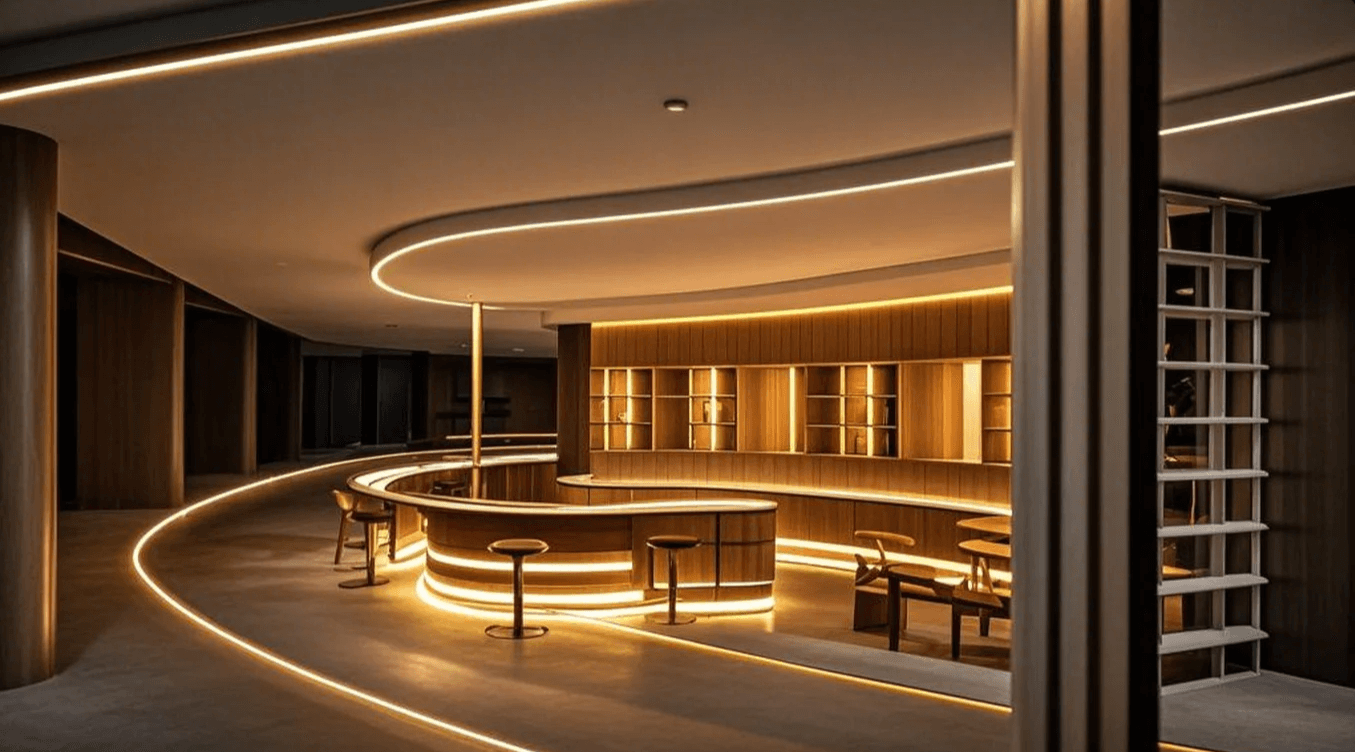
By selecting the right components and implementing proper installation practices, you can ensure that your LED strips not only operate safely throughout the night but also maintain uniform and reliable illumination for years to come.