Is There a Fire Risk with LED Strips?
Many homeowners worry about one question when using LED strips: Do LED strips pose a fire risk?
This article will explore common causes of fire hazards, the correct installation methods, and key safety tips for purchasing, to help you use LED strips safely and avoid potential risks.
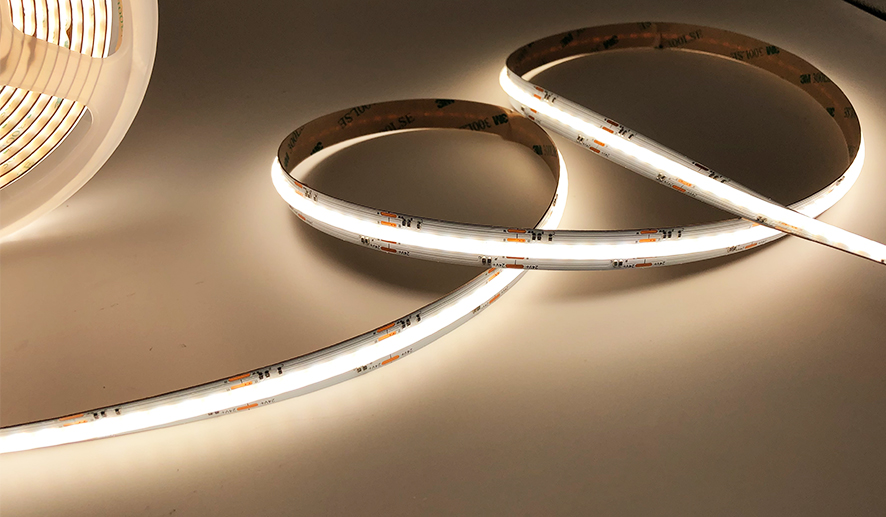
Why Are People Concerned About LED Strips Causing Fires?
With the widespread use of LED strips in home decoration, automotive, and commercial lighting, safety concerns are frequently raised.
In fact, high-quality LED strips, when properly installed, are not easily prone to fire hazards. The real risks often come from improper use or non-compliant installation.

Common Causes of Fire Hazards with LED Strips
Proximity to Flammable Materials
Installing LED strips near flammable materials such as wood, fabric, or foam, especially in enclosed or poorly ventilated spaces, can lead to the accumulation of heat.
When heat cannot dissipate quickly, the surface temperature of the LED strip gradually increases, raising potential safety risks.
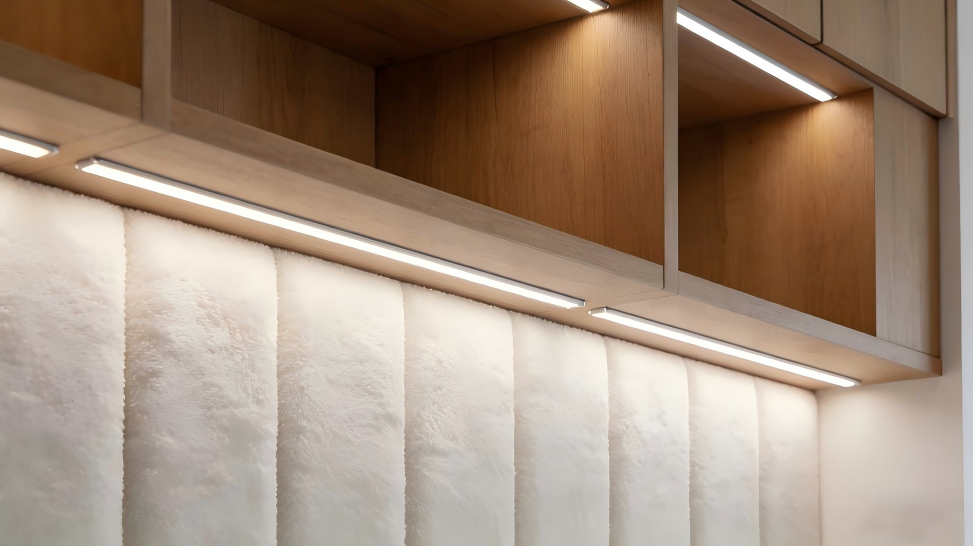
For example, inside wooden cabinets or soft-backed feature walls, if aluminum profiles or sufficient ventilation space are not used, the local temperature may rise significantly after the LED strips are lit for an extended period.
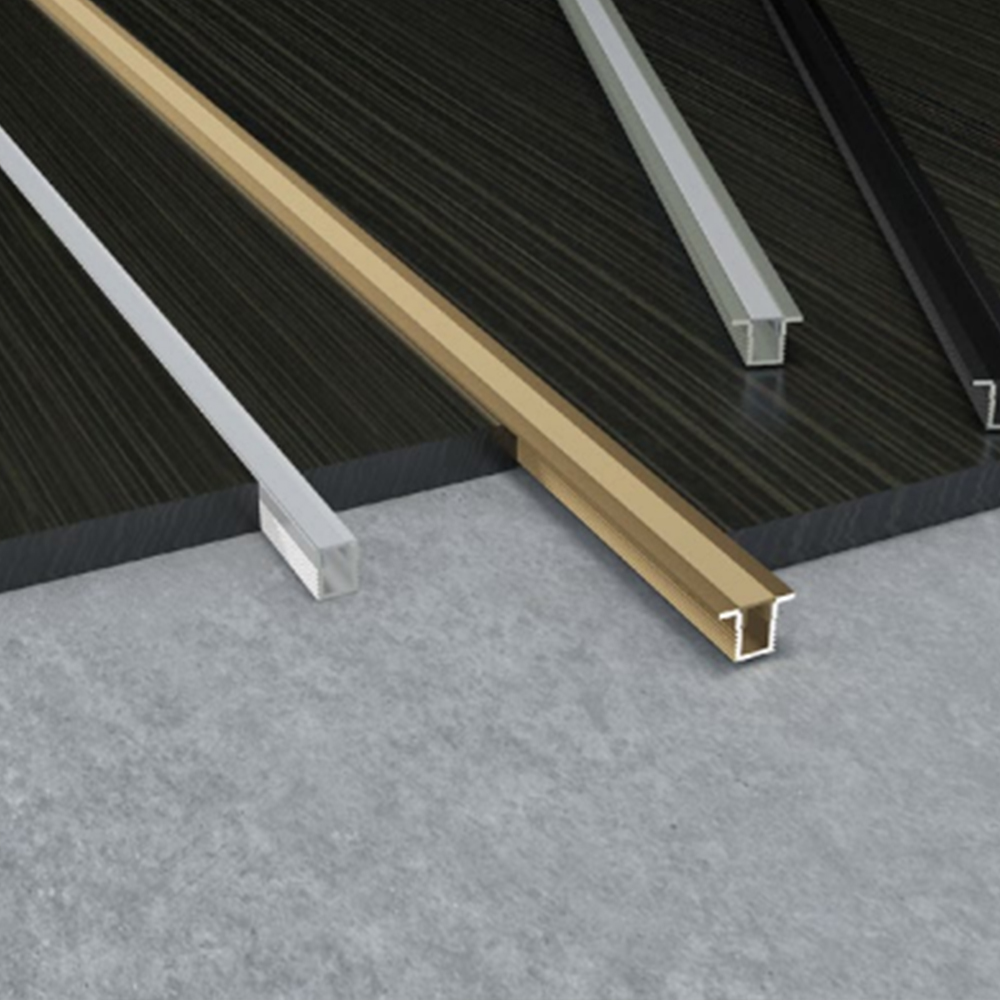
Therefore, during installation, it’s important to avoid direct contact between the LED strips and flammable materials, and to prioritize installation using LED aluminum channels with heat-dissipation structures.
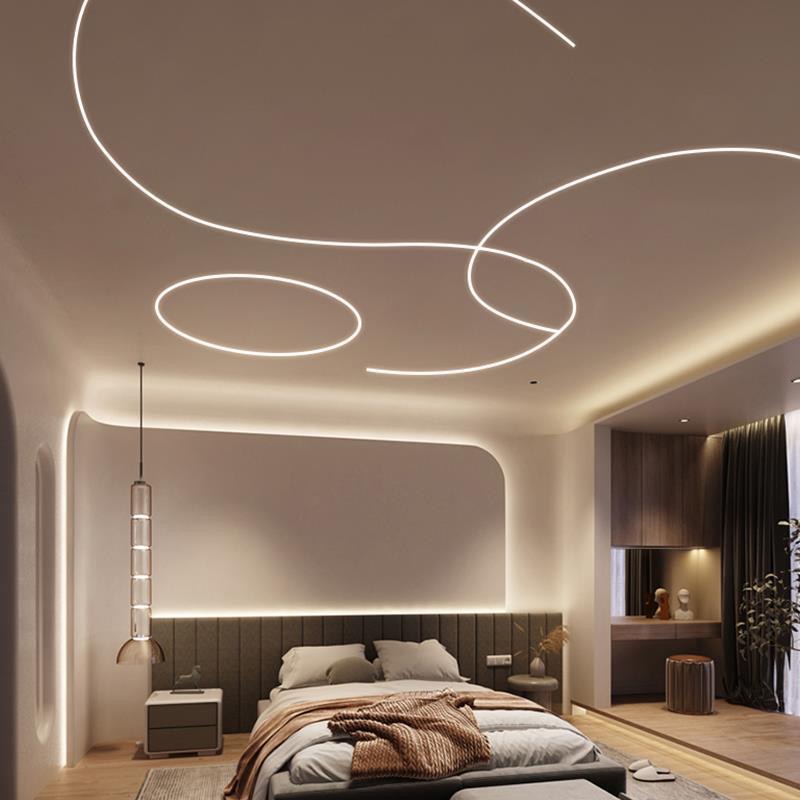
Excessive Power or Incompatible Power Supply
One of the most common issues is using a power supply that does not match the power rating of the LED strips.
When the power supply operates in an overloaded state for extended periods, it can cause overheating, increasing the risk of circuit aging or even burning out the LED strips.
Additionally, when purchasing LED strips, it is essential to ensure that the operating voltage of the strips matches the voltage of the power supply.
For example, a 12V LED strip connected directly to a 24V power supply will overheat and become damaged in a short time. Conversely, connecting a 24V strip to a 12V power supply could result in insufficient brightness or flickering.
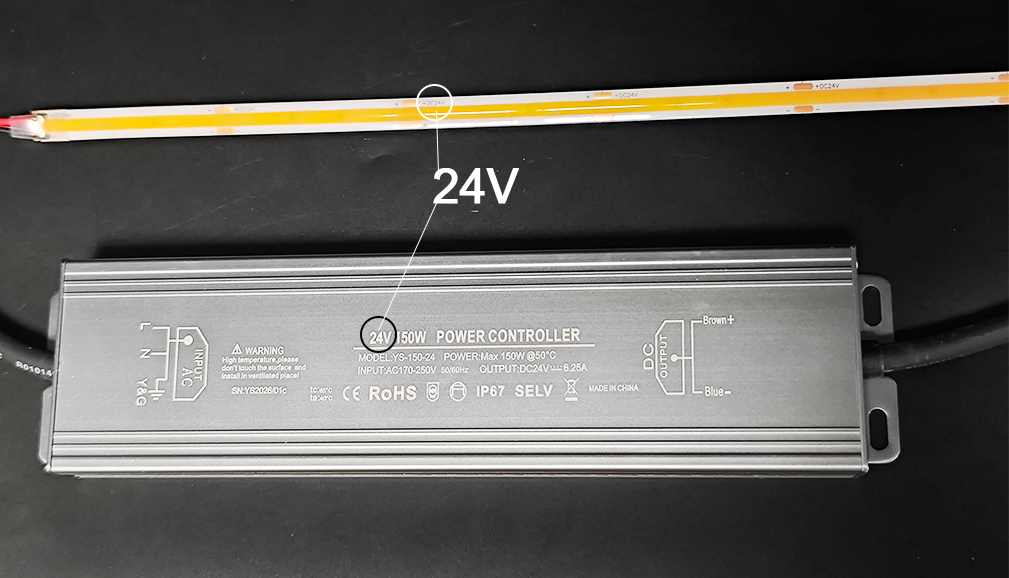
Therefore, before installation, always check the power capacity and voltage specifications, and ensure there is adequate headroom for the power supply to guarantee long-term, safe, and stable operation of the LED strips.
Low-Quality LED Strips
Low-cost, uncertified LED strips often use inferior chips and thin circuit boards in order to cut costs.These products typically have poor insulation, unstable solder joints, and inadequate heat dissipation structures, which make them more prone to safety issues during long-term use.
For example, some cheap LED strips show obvious yellowing or even partial carbonization of the circuit board after some use, leading to unstable current flow or short circuits.Additionally, some strips lack basic heat resistance testing. When installed in cabinets or enclosed spaces, the heat cannot dissipate effectively, further increasing the risk of electrical failure.
Choosing LED strips that have passed basic safety certifications and feature good heat dissipation designs can significantly reduce the potential hazards caused by poor product quality.


How to Prevent LED Strips from Causing Fires?
Install According to Local and National Electrical Codes
Whether for residential lighting or commercial projects, strictly following local and national electrical codes during installation is the foundation for ensuring the safe operation of LED strips.
This typically includes proper wiring methods, reasonable power supply layouts, and necessary overload and short-circuit protection.
In many countries and regions, it is recommended that installations involving fixed lighting circuits be carried out by professionals holding electrical qualifications.
Professional electricians are not only familiar with relevant regulations but can also assess the power rating, circuit load, and safety spacing based on the actual environment, thereby reducing electrical risks from the source.
Ensure All Installation Components Are Compatible
When installing LED strips, safety depends not only on the strips themselves but also on the compatibility of the entire system.
This includes all components such as the LED strips, power supply, controllers, connecting wires, and aluminum profiles.
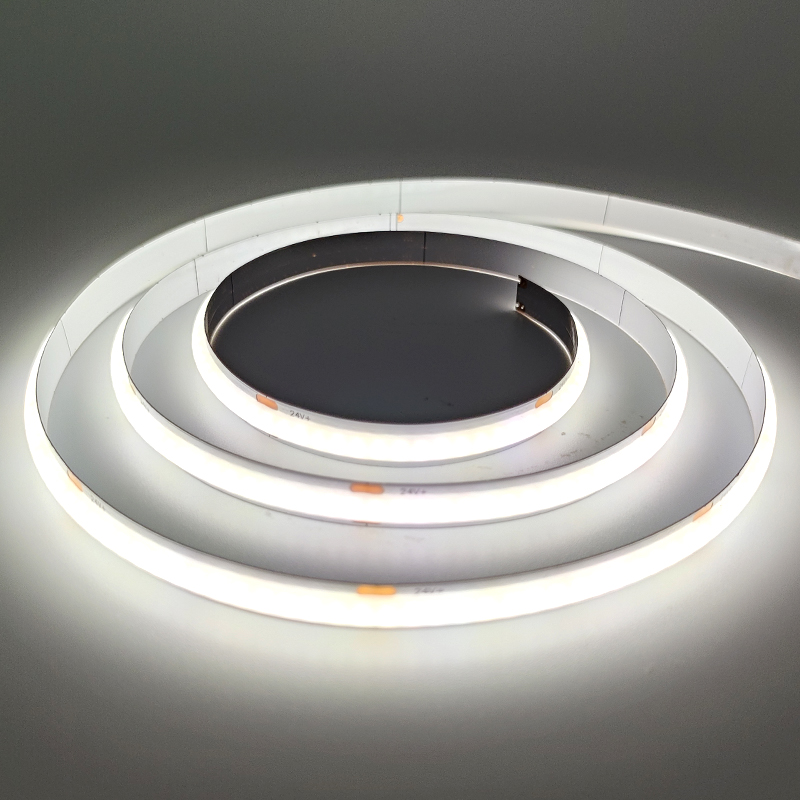
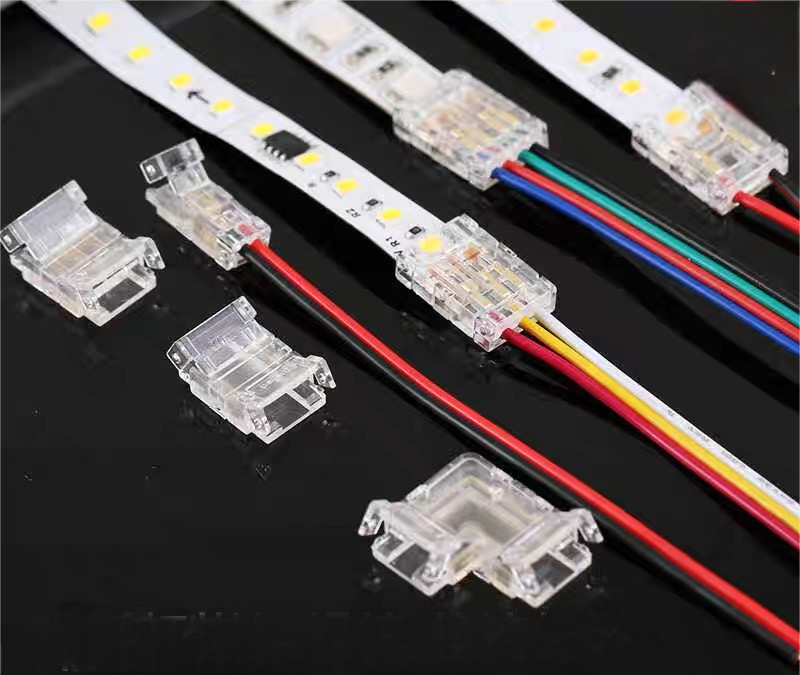
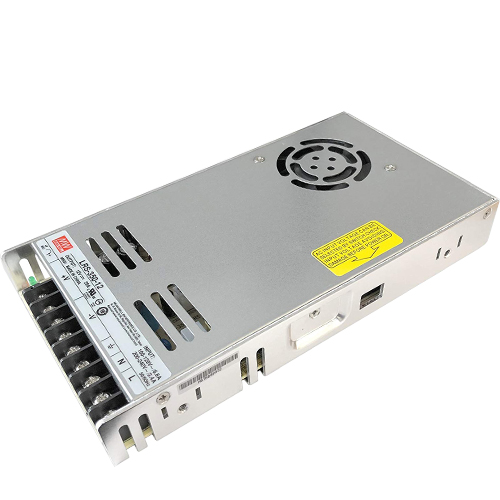
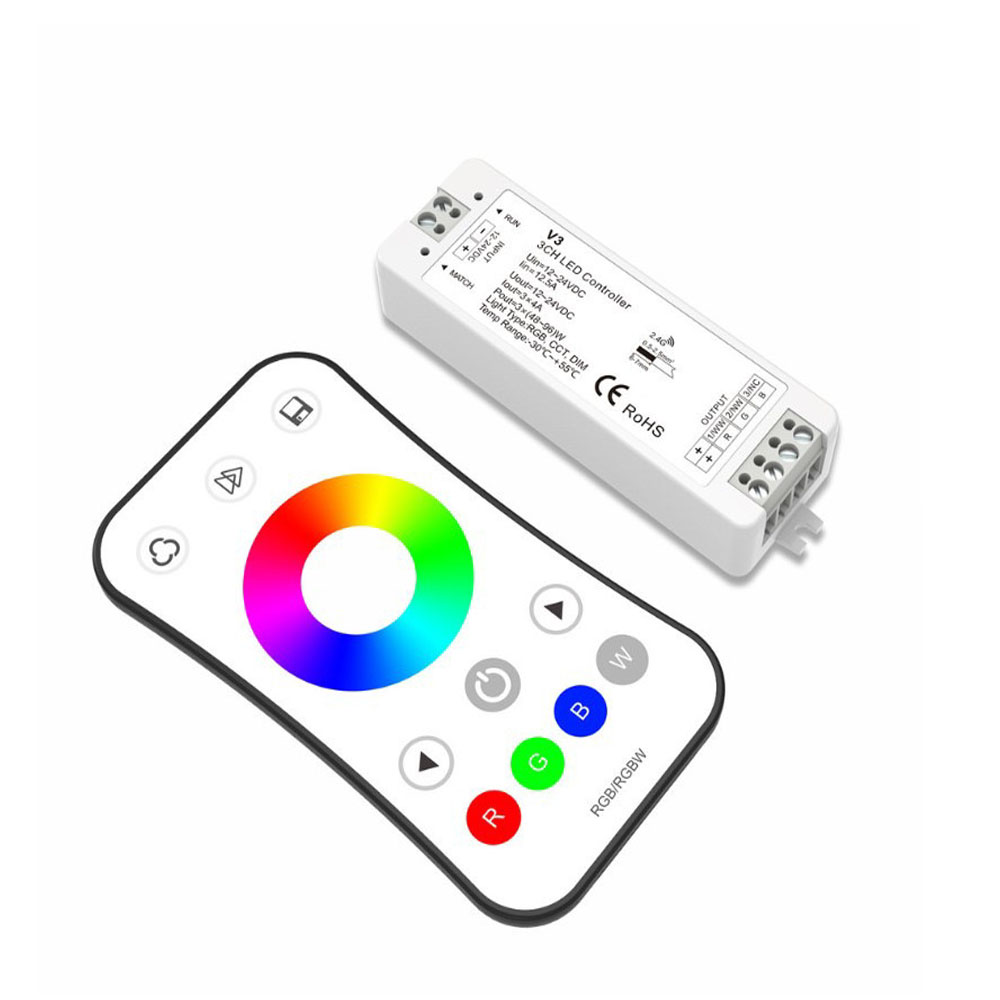
For example, the operating voltage, total power, and dimming method of the LED strips must match those of the power supply and controller.
Using incompatible components can lead to system instability, increasing the risk of overheating or failure.Choosing a complete solution from the same supplier or one that has undergone system testing can effectively reduce compatibility issues.
Choose a Reliable LED Strip Supplier
Mature and reliable suppliers typically offer not just individual products, but verified complete lighting systems.From the LED strips to the power supply and accessories, all components undergo stability and safety testing.
Professional manufacturers like LED Worker focus on providing highly compatible, long-term stable LED strip solutions for project-based clients, helping to reduce installation risks and maintenance issues.
Pay Attention to Heat Dissipation and Installation Environment
Good heat dissipation design is a critical factor in ensuring the safe and stable operation of LED strips.
Installing LED strips in aluminum profiles or channels with heat dissipation structures can effectively help heat transfer and release, reducing the temperature of the strips during prolonged use.
At the same time, avoid installing LED strips in completely enclosed or high-temperature environments for extended periods. Without proper ventilation channels, heat can accumulate, accelerating component aging, shortening the lifespan, and even creating safety hazards.
Evaluating the installation environment before setup and choosing the appropriate installation method will help improve the overall safety and reliability of the lighting system.
Conclusion: Using LED Strips Safely is Not Complicated
LED strips are inherently a safe and energy-efficient lighting option.
As long as you choose the right product, match it with the correct power supply, and follow proper installation guidelines, the fire risk can be significantly reduced.
If you’re planning a lighting project or unsure whether your LED strip setup is safe, consult a professional supplier or lighting engineer before installation.
Common FAQs About LED Strip Safety
High-quality LED strips can be used for extended periods when paired with the correct power supply and proper heat dissipation. Problems usually arise from poor-quality products or improper installation.
As long as you choose low-voltage, reliable LED strips and avoid direct exposure to the eyes or installation near flammable materials, they are safe for use in the bedroom.
Soft, flicker-free lighting is more suitable for creating a relaxing sleep environment.
Yes, but only if you use waterproof-rated LED strips and power supplies. Regular indoor strips are not suitable for direct outdoor use.